
Online Safety
Internet Safety
At Stanley Grove, we recognise that technology and the internet play an important role in children’s learning and everyday lives. We are committed to helping our pupils learn how to use the internet safely, responsibly and respectfully.
Online safety is taught throughout the curriculum and is an important part of our computing and safeguarding education. Pupils learn how to protect their personal information, recognise potential risks online and understand how to report anything that makes them feel uncomfortable or unsafe.
In school, we use secure filtering and monitoring systems to help keep pupils safe when using the internet. Staff also regularly discuss online safety with pupils through lessons, assemblies and themed events such as Safer Internet Day. We use the DARES computing curriculum which includes digital safety lessons in each unit of work.
We believe that working in partnership with parents and carers is essential in keeping children safe online. We encourage families to talk regularly with their children about their online activity and to ensure appropriate supervision and privacy settings are in place when using devices at home.
If you would like further advice or support about keeping children safe online, please contact the school office or visit trusted websites such as ThinkUKnow and Childnet for guidance and resources below.
- Family Agreement.pdf
- Conversation Starters.pdf
- Ask the awkward - parent and carers.pdf
- Device stress.jpg
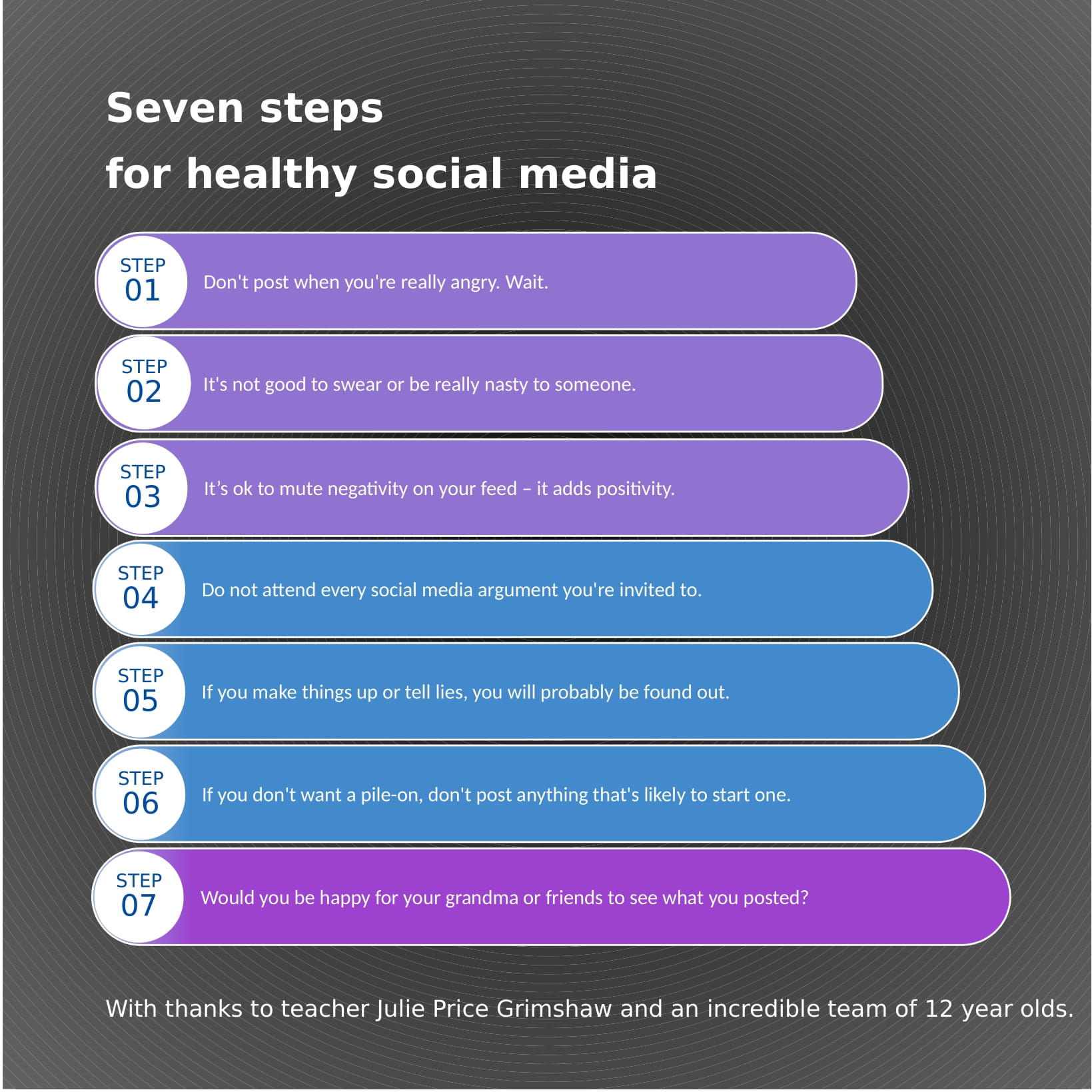
- Healthy Online habbits.jpg
- Keeping my child safe on snapchat.pdf
- Keeping my child safe on TikTok.pdf
- Let's Talk About Life Online.pdf
- Parents and Carers Resource Sheet.pdf
- Think U Know
Great advice to keep children safe whilst using the Internet - CEOP
- News and articles surrounding Internet safety.
- Keeping safe online - latest advice
- Guide to technology gifts and parental controls
- Parental technology guides
- Guide to parental controls
- West Yorkshire Police guides for parents and guardians to keep your child safe when using web enabled devices
Parents and guardians buying web-enabled devices such as smart phones, laptops and games consoles are being urged to enable security settings to help protect them online. As part of the ongoing "Who are you really talking to" campaign, West Yorkshire Police has produced a number of easy to read guides for different social media applications and gaming consoles explaining how to set privacy levels and restrict access to information. If you are giving a web-enabled device as a present this Christmas, we would suggest checking our online guides to restrict who is able to see pictures and personal information on social media applications and gaming consoles.
Useful E-safety websites
- How to set up devices and staying safe on the internet
- Net Aware
- A useful site for parents to inform you of the potential dangers of online apps and use
- Think u Know e-safety website
- Helpful advice on E-safety for Parents
- Newsround - Staying Safe online
- NSPCC guidance for Parents
Need Help With Online Safety?
If you’re worried about something your child has experienced online, you’re not alone — and you don’t have to handle it by yourself.
You can contact school if you are worried and needs support and advice.
You can also contact the Professionals Online Safety Helpline at UK Safer Internet Centre provides confidential, independent support to help resolve online safety concerns affecting children and young people.
When to Get in Touch
You can contact the helpline if you need support with issues such as:
-
Cyberbullying or online harassment
-
Nude image sharing / sexting concerns
-
Fake profiles or online impersonation
-
Social media problems
-
Gaming-related issues
-
Online exploitation or inappropriate content
-
Reporting harmful or illegal online material
If something online is causing worry, stress, or risk — it’s always okay to ask for help.
How It Works
-
Email your concern to helpline@saferinternet.org.uk
-
A trained professional will review your message confidentially.
-
You’ll receive advice, guidance, and practical next steps to help resolve the issue.
The helpline is independent, free to use, and focused on supporting those working with children and young people.
You don’t need to have all the answers — just reach out.
📩 Email: helpline@saferinternet.org.uk
🌐 Learn more at the UK Safer Internet Centre
E-Safety information regarding electronic devices, apps and the internet
E-Safety information regarding electronic devices, apps and the internet
- Android security settings
- Apple security settings
- Letter from Santa regarding E-Safety and electronic devices
- Christmas E-safety guide - information for keeping children safe with technology
- Parent Zone
- Guidance for parents regarding online issues
- National Online Safety Site
- A parents guide to keeping your child safe on a popular apps